All 33 temples
Every temple, listed here
Each page lists where every fact came from, with the photographer credited on every photo. Want to narrow the list? Filter by deity, planet or district.
Famous temples of Kumbakonam
The best-known temples in and around the temple town of Kumbakonam.
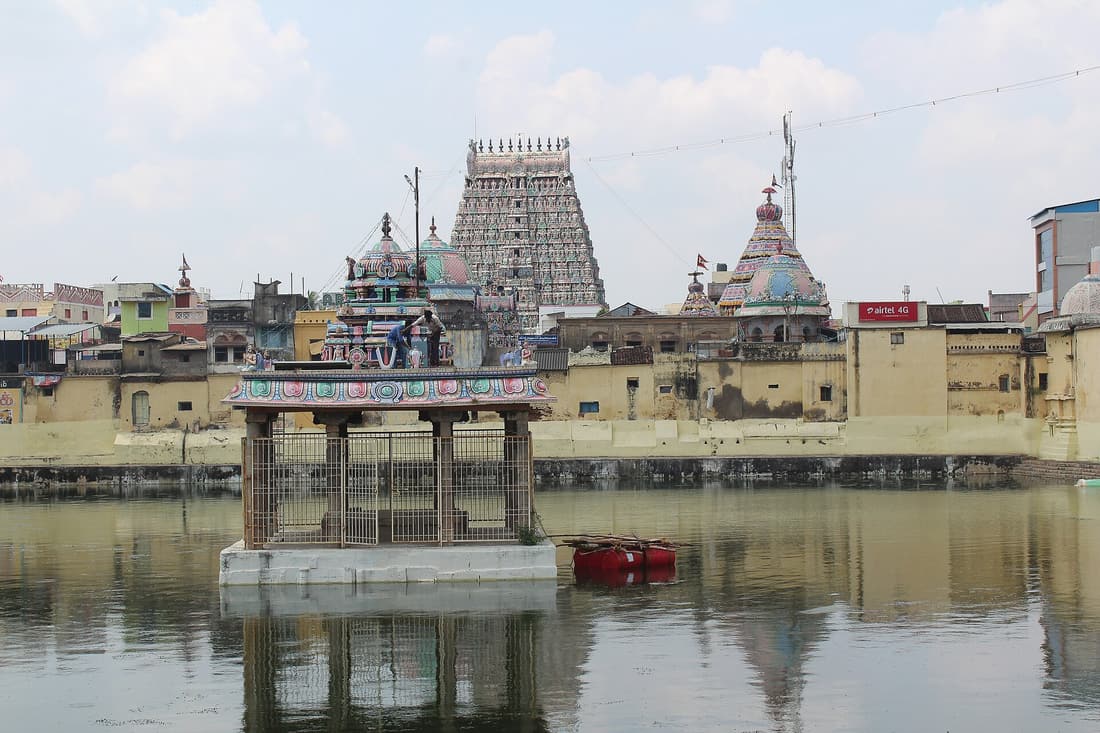
Adi Kumbeswarar Temple
ஆதி கும்பேஸ்வரர் கோயில்
The oldest Kumbeswarar temple and the Shiva temple at the heart of Kumbakonam, tied to the legend of Brahma's pot and the Mahamaham.
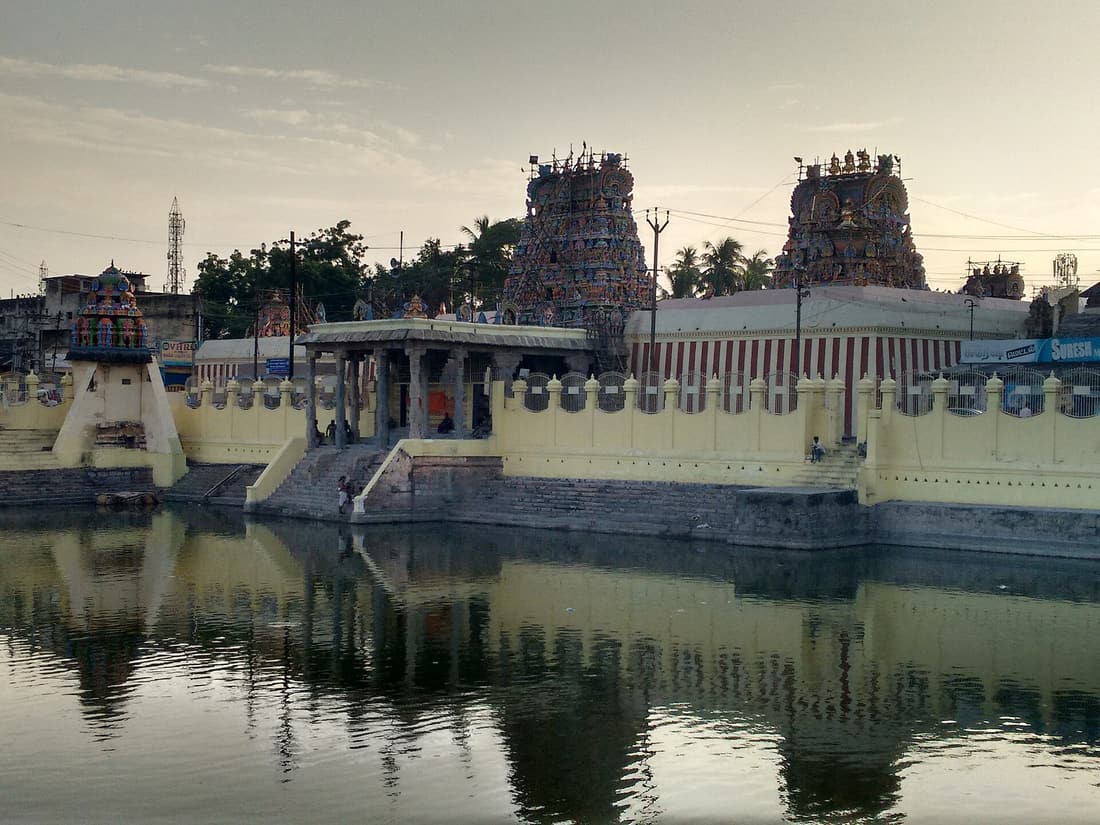
Sarangapani Temple
சாரங்கபாணி கோயில்
A Divya Desam Vishnu temple built like a chariot, with an eleven-tier rajagopuram in the centre of Kumbakonam.
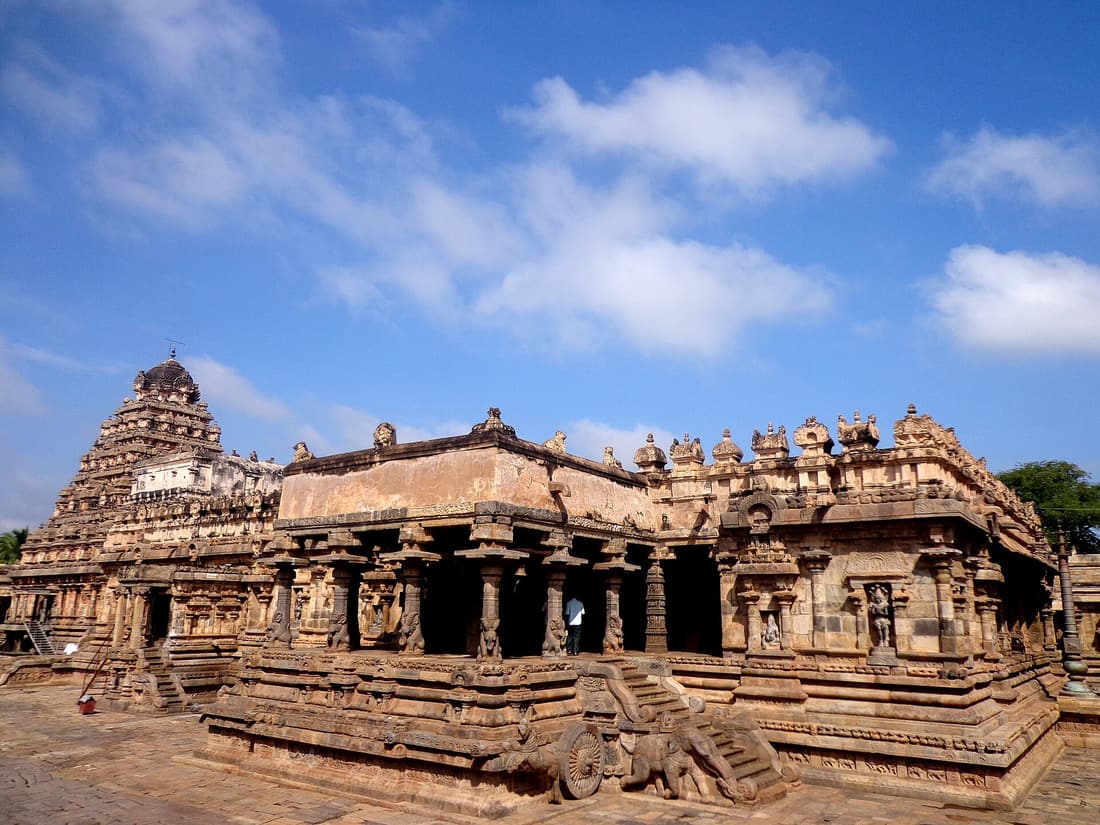
Airavatesvara Temple, Darasuram
ஐராவதேஸ்வரர் கோயில், தாராசுரம்
A twelfth-century Chola masterpiece with a chariot-shaped hall, singing steps and sculpted stories of the 63 Nayanmars, part of a UNESCO World Heritage Site.
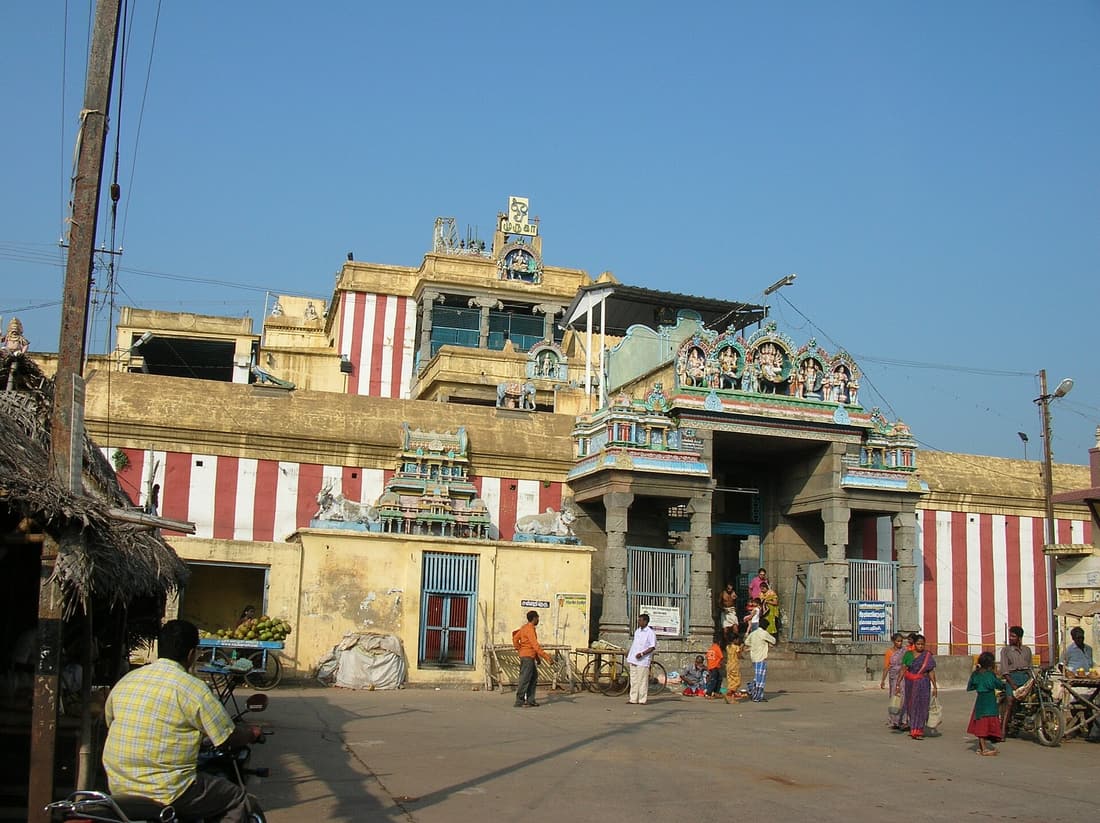
Swamimalai Swaminatha Swamy Temple
சுவாமிமலை சுவாமிநாதசுவாமி கோயில்
The hill temple where Murugan is said to have taught the meaning of Om to his father Shiva, reached by 60 steps.
The nine Navagraha temples
The temples of the Sun, Moon, Mars, Mercury, Jupiter, Venus, Saturn, Rahu and Ketu, near Kumbakonam and Mayiladuthurai. Navagraha guide →
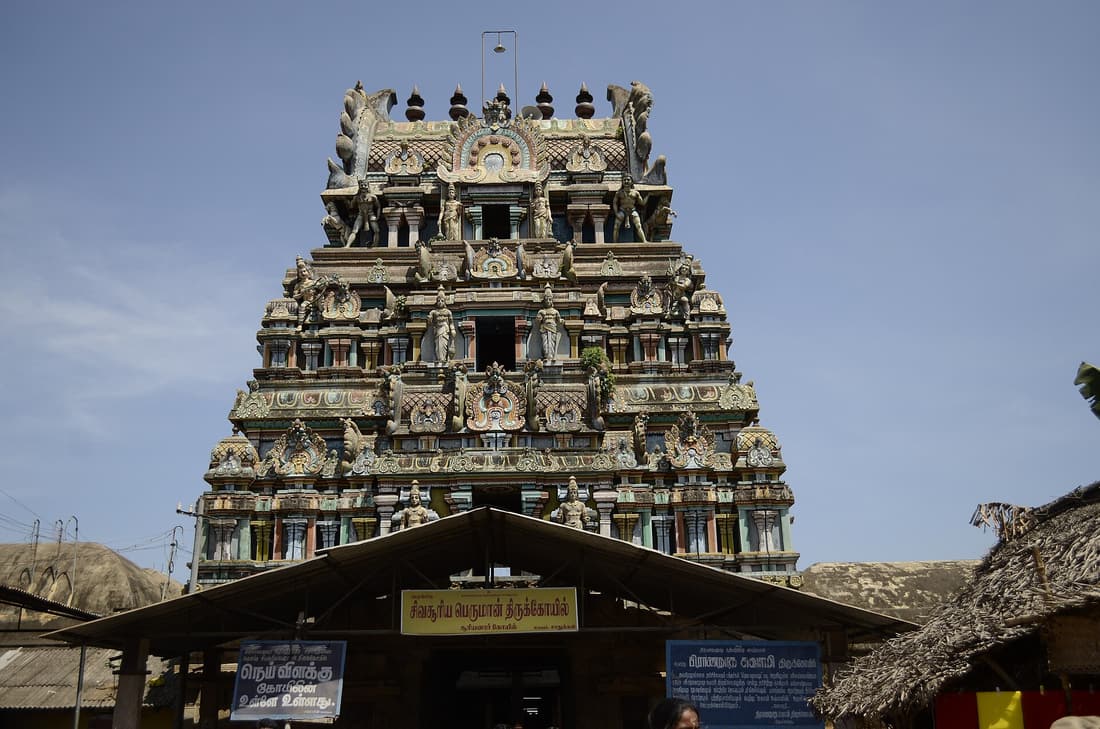
Suryanar Koil
சூரியனார் கோயில்
The Navagraha temple of the Sun, 15-16 km from Kumbakonam, where all nine planets have their own shrines.
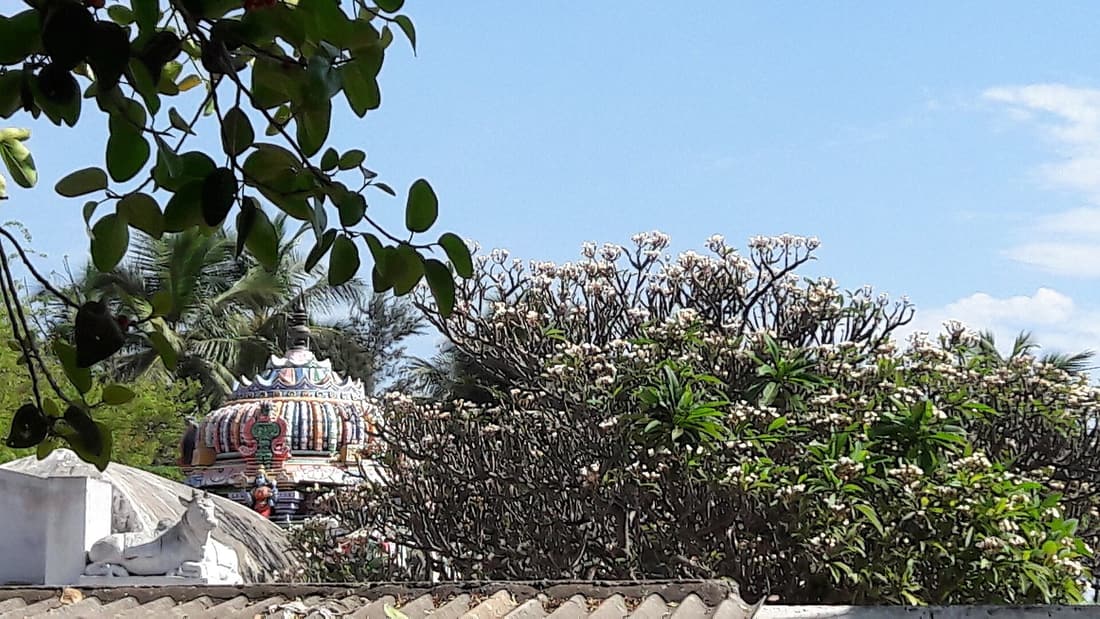
Kailasanathar Temple, Thingalur
கைலாசநாதர் கோயில், திங்களூர்
The Navagraha temple of the Moon, famous for Anna Prasanam, the first rice-feeding of infants, and the story of Appoodhi Adigal.
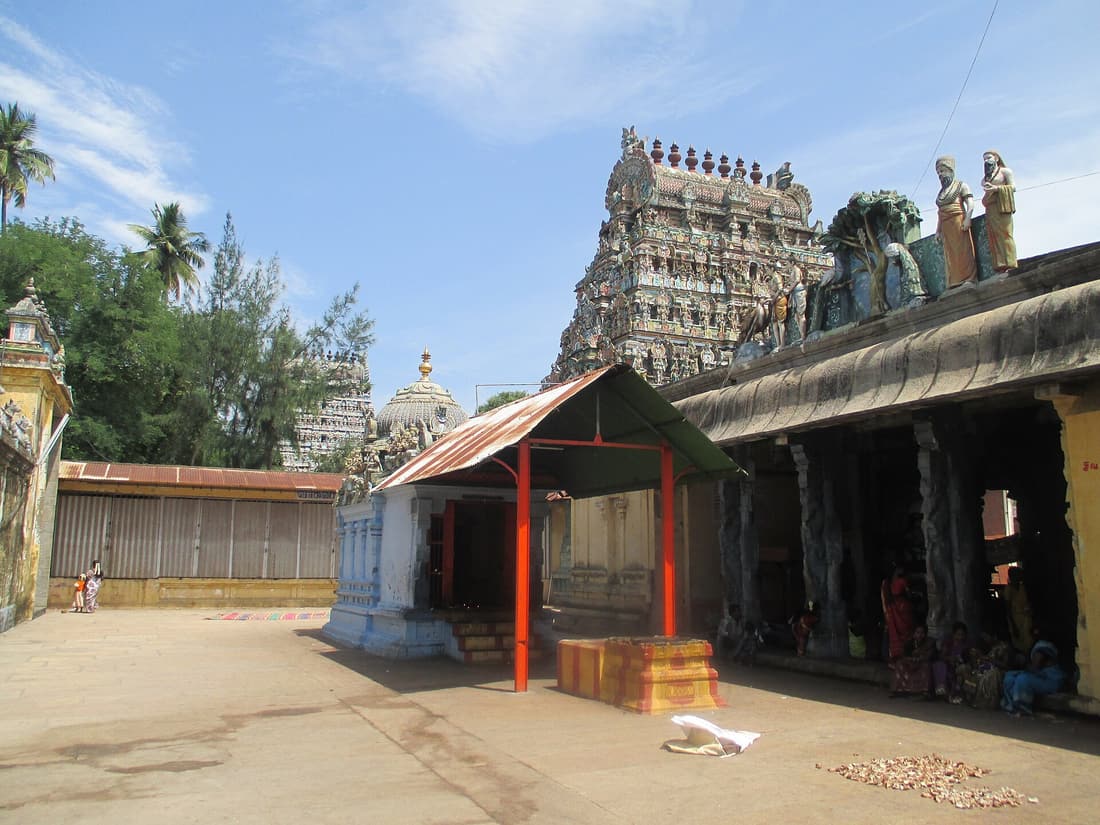
Vaitheeswaran Koil
வைத்தீஸ்வரன் கோயில்
The Navagraha temple of Mars, where Shiva is worshipped as the divine healer.
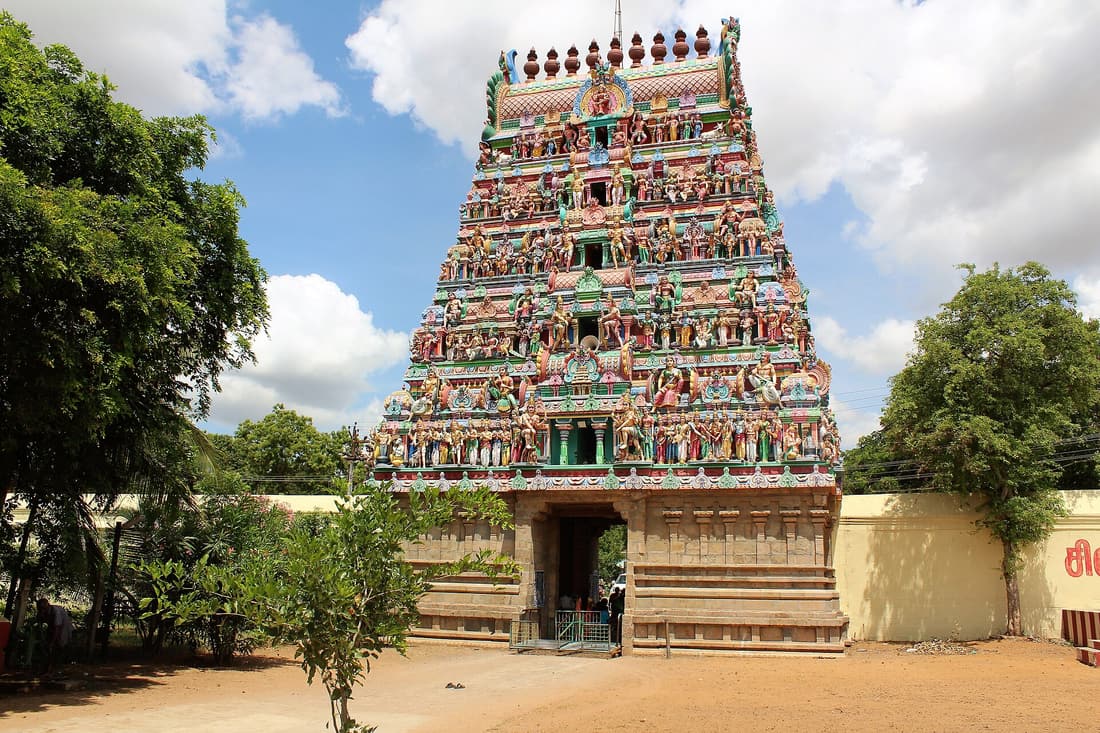
Swetharanyeswarar Temple, Thiruvenkadu
ஸ்வேதாரண்யேஸ்வரர் கோயில், திருவெண்காடு
The Navagraha temple of Mercury, also called Aadi Chidambaram, with three sacred tanks, an Aghora Murti shrine and a seven-tiered gateway.
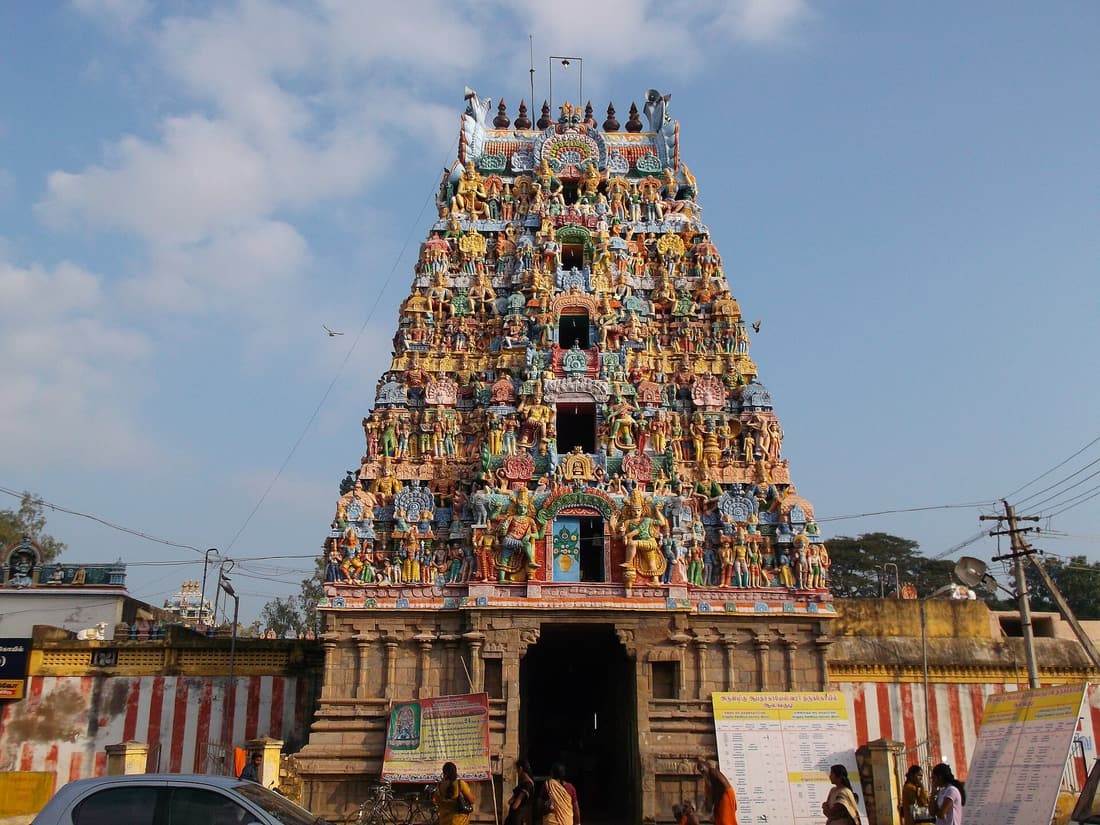
Apatsahayesvarar Temple, Alangudi
ஆபத்சகாயேஸ்வரர் கோயில், ஆலங்குடி
The Navagraha temple of Jupiter, about 17 km from Kumbakonam, where Thursdays draw crowds to Guru Dakshinamoorthy.
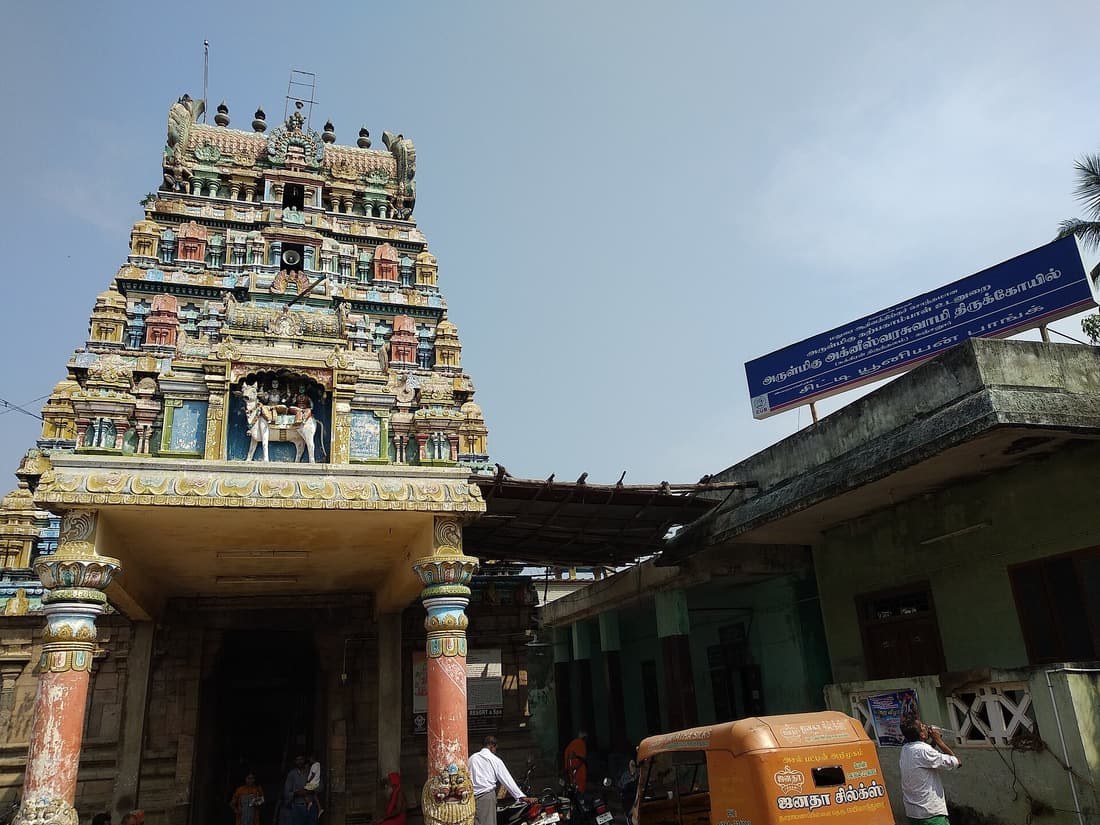
Agniswarar Temple, Kanjanur
அக்னீஸ்வரர் கோயில், கஞ்சனூர்
The Navagraha temple of Venus, 18-19 km from Kumbakonam, where the goddess sits on Shiva's right in his wedding form.
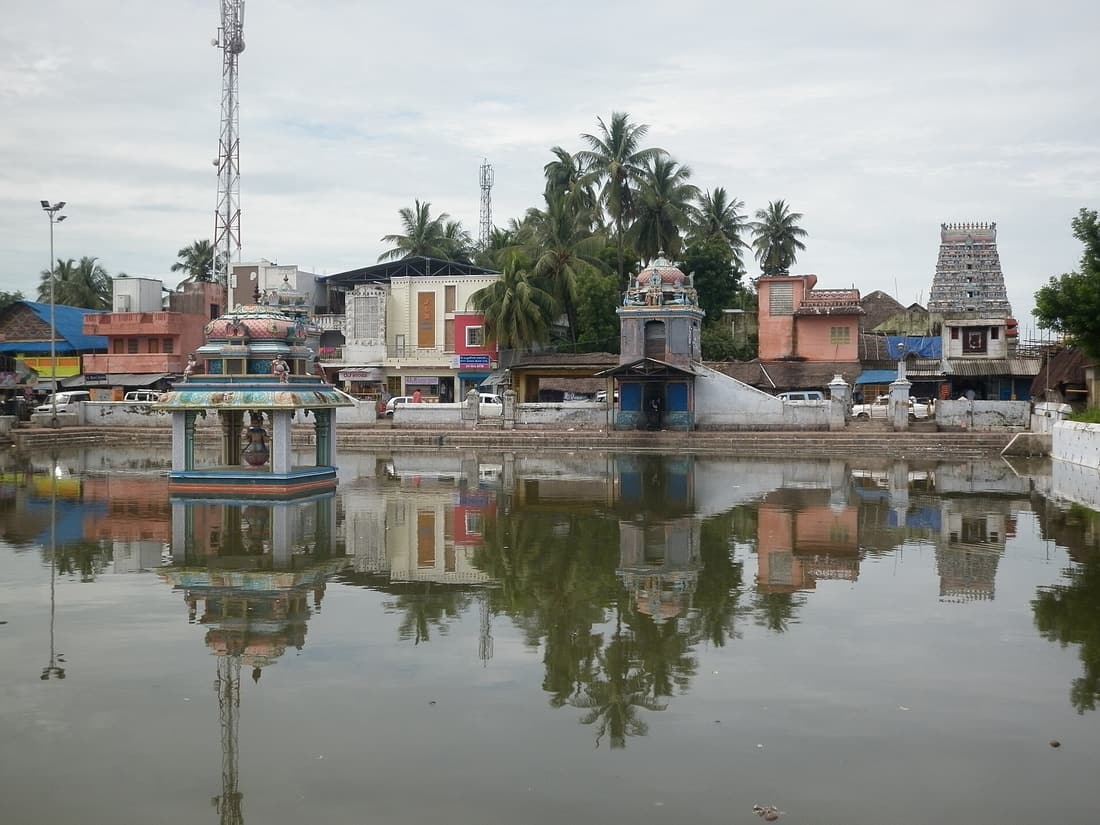
Dharbaranyeswarar Temple, Thirunallar
தர்பாரண்யேஸ்வரர் கோயில், திருநள்ளாறு
The Navagraha temple of Saturn in Karaikal, with a Shani shrine, the Nala tank and the story of King Nala.
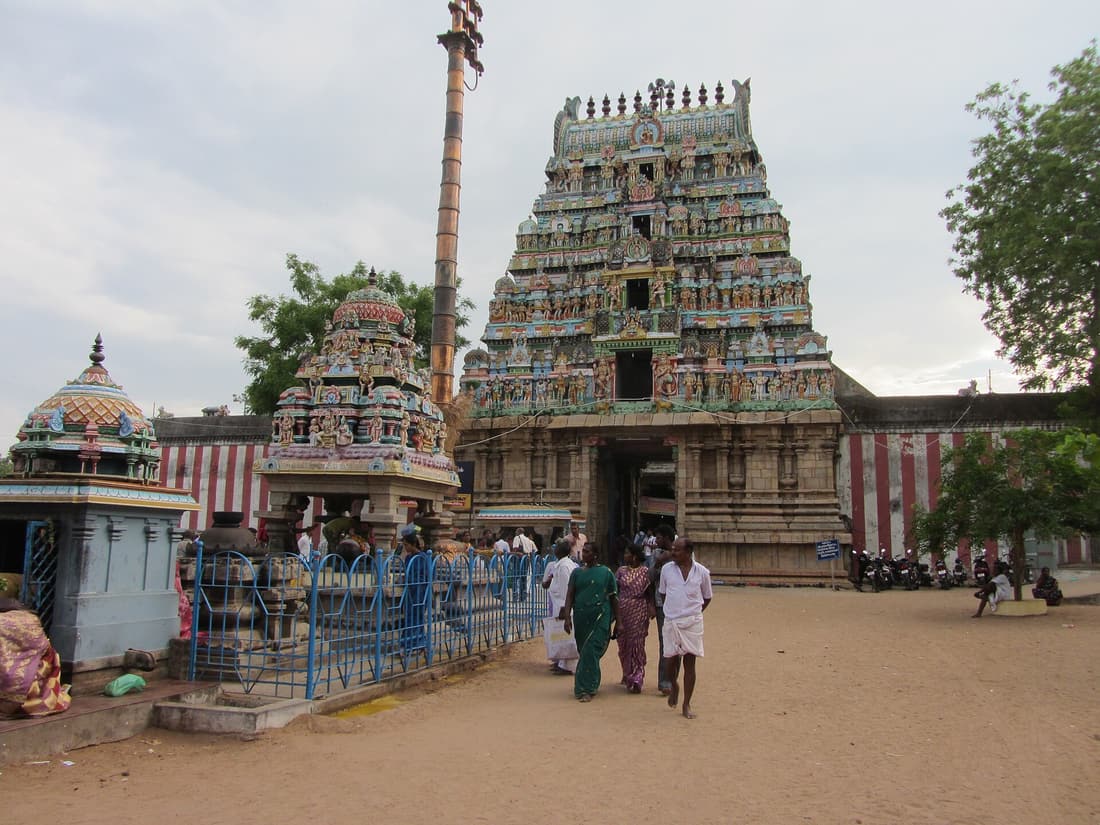
Naganathaswamy Temple, Thirunageswaram
நாகநாதசுவாமி கோயில், திருநாகேஸ்வரம்
The Navagraha temple of Rahu, only 5-6 km from Kumbakonam, where milk poured on Rahu is said to turn blue.
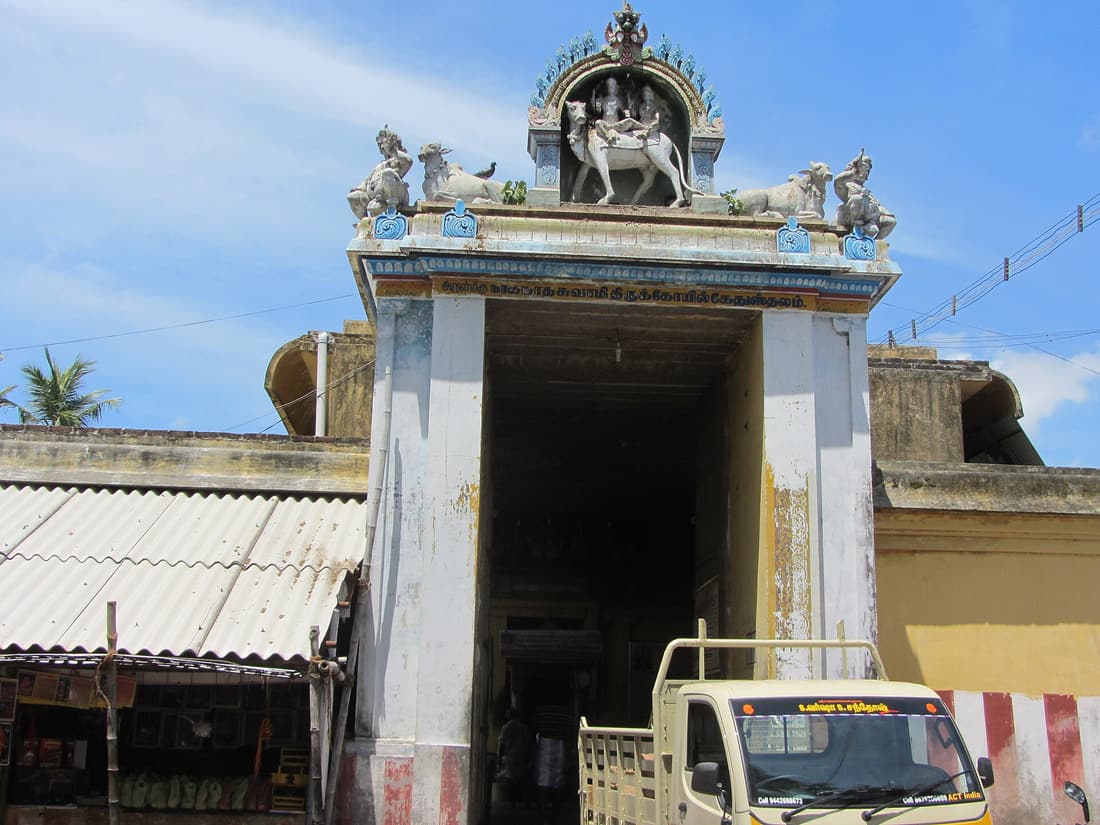
Naganathaswamy Temple, Keezhperumpallam
நாகநாதசுவாமி கோயில், கீழப்பெரும்பள்ளம்
The Navagraha temple of Ketu near Poompuhar, with a granite Ketu shrine and daily Rahu kalam pujas.
Kanchipuram: the city of a thousand temples
Fifteen of its most visited Shaiva, Vaishnava and Shakta temples, from Kamakshi to Ekambareswarar and Varadharaja Perumal. Kanchipuram guide →
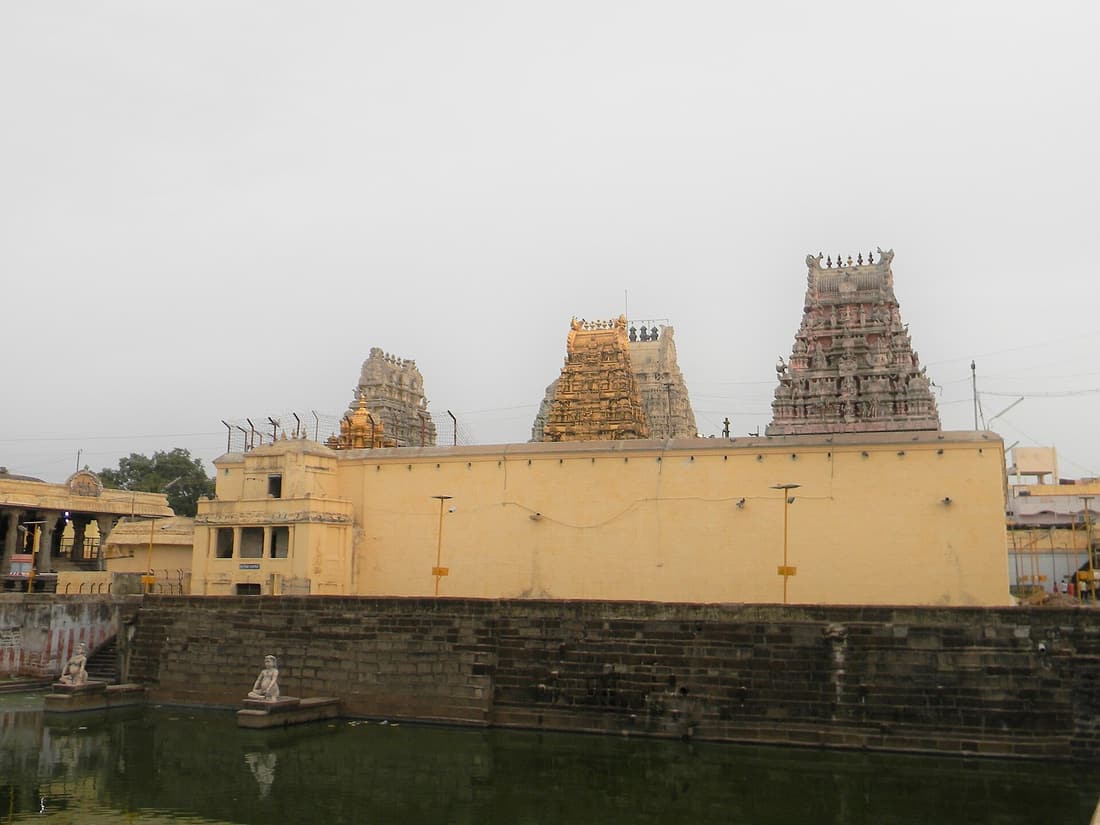
Kamakshi Amman Temple, Kanchipuram
காஞ்சி காமாட்சி அம்மன் கோயில்
The Shakti temple of Kanchipuram, with the Sri Chakra before the goddess and a Divya Desam Varaha shrine inside the complex.
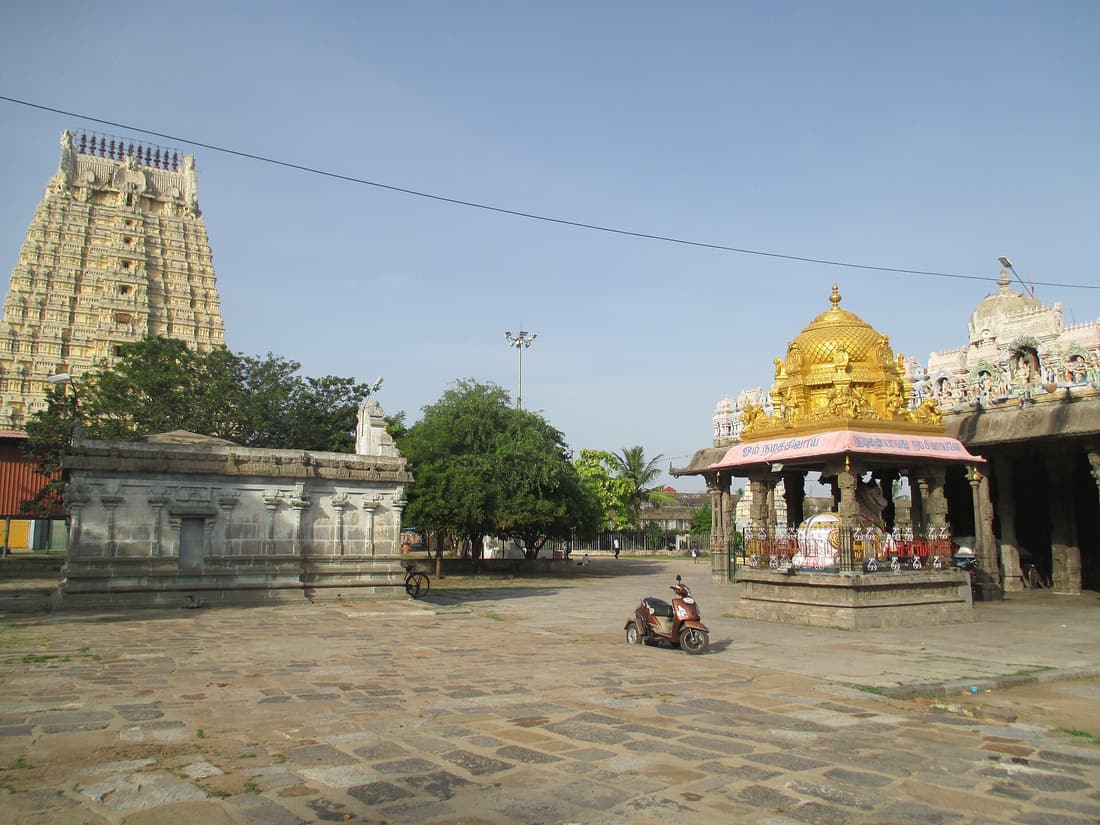
Ekambareswarar Temple, Kanchipuram
காஞ்சி ஏகாம்பரநாதர் கோயில்
The earth lingam of the five-element temples, under a towering southern gopuram and an ancient mango tree.
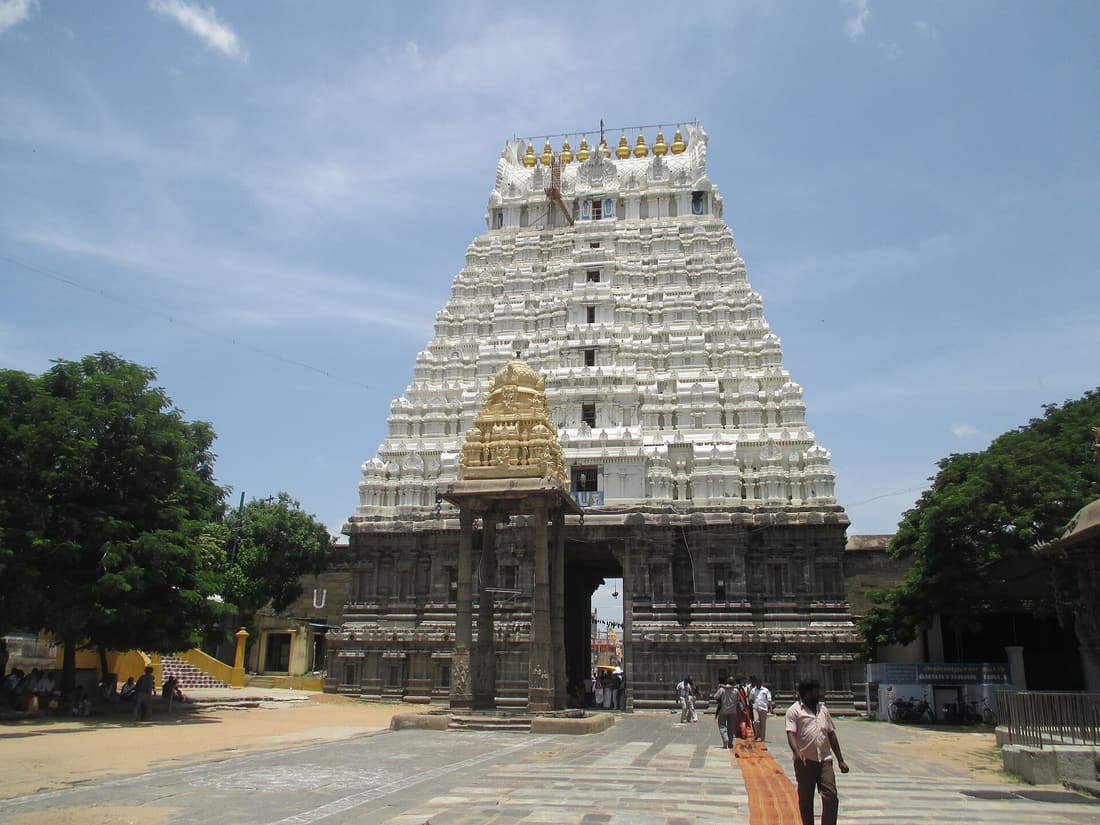
Varadharaja Perumal Temple, Kanchipuram
காஞ்சி வரதராஜ பெருமாள் கோயில்
The largest temple of Vishnu Kanchi, home of the Atthi Varadar who is brought out of the tank once every 40 years.
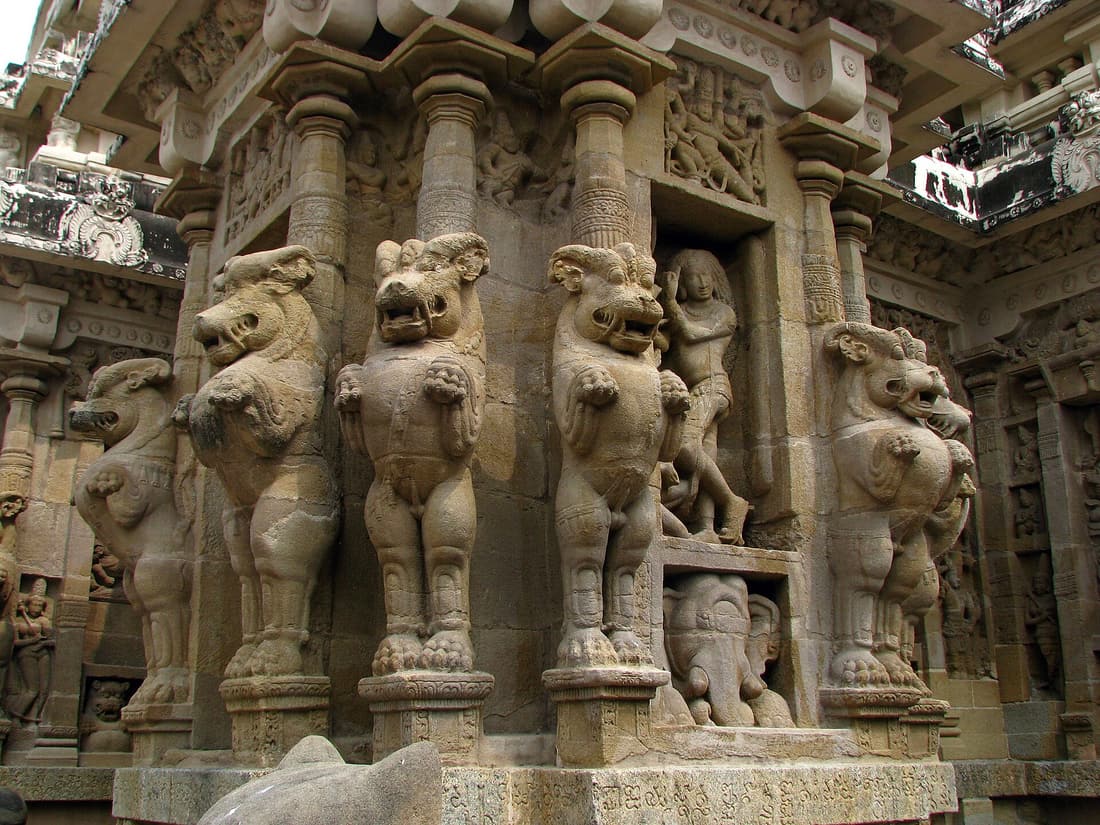
Kailasanathar Temple, Kanchipuram
காஞ்சி கைலாசநாதர் கோயில்
One of the oldest surviving temples in Kanchipuram, built by the Pallava king Rajasimha with 58 small shrines and rare early murals.
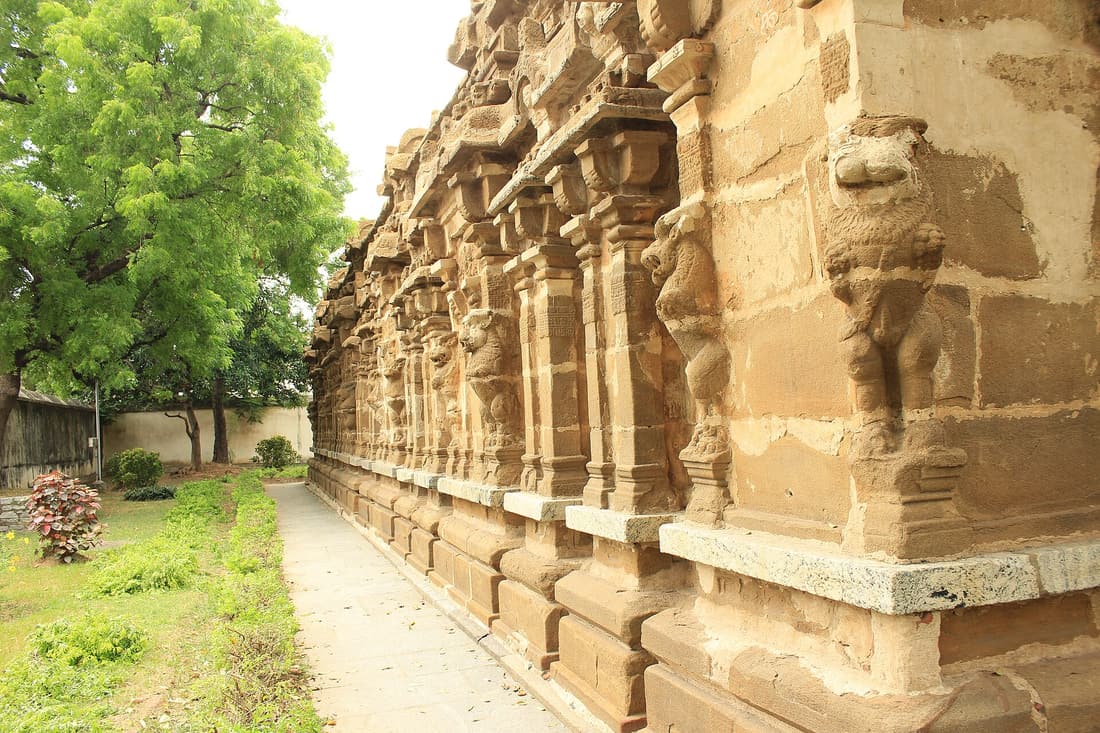
Vaikunta Perumal Temple, Kanchipuram
காஞ்சி வைகுண்டப் பெருமாள் கோயில் (பரமேசுவர விண்ணகரம்)
The 8th-century Pallava Vishnu temple with three-storey sanctum and carved panels telling the history of the dynasty.
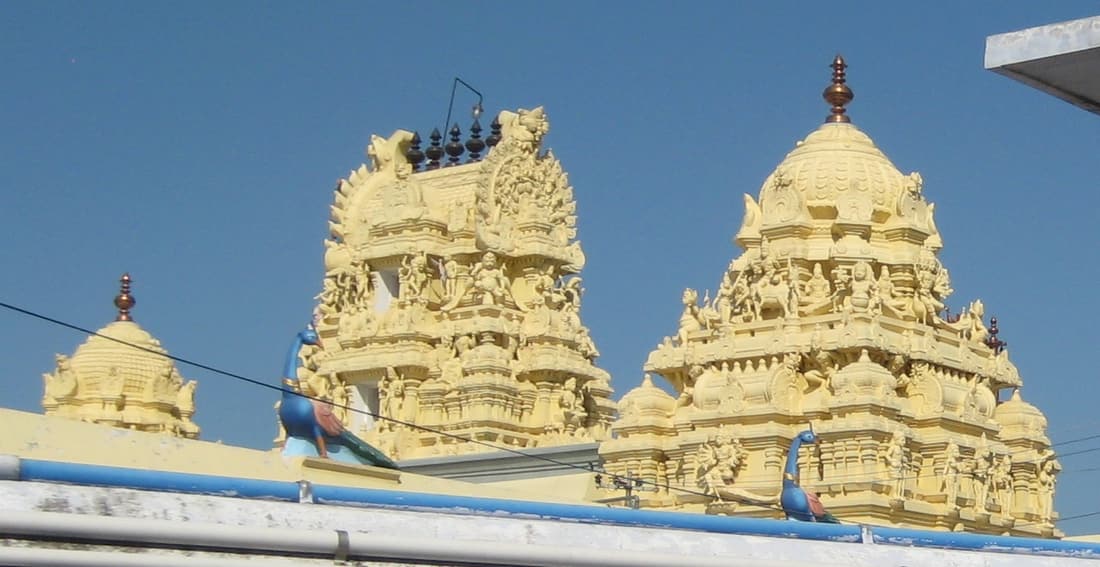
Kumarakottam Murugan Temple, Kanchipuram
காஞ்சி குமரகோட்டம் சுப்பிரமணிய சுவாமி கோயில்
The temple where Kacchiyappa Sivacharyar composed the Tamil Kanda Puranam, set between the temples of Shiva and Kamakshi.
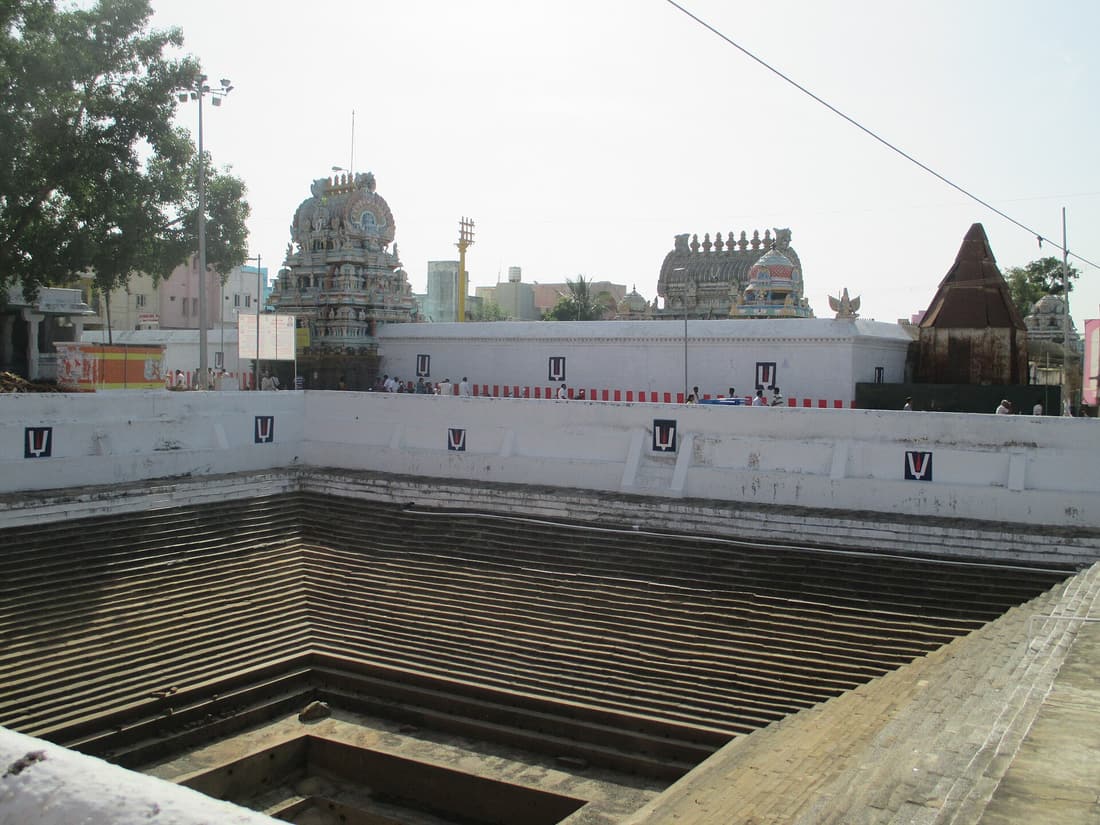
Ulagalantha Perumal Temple, Kanchipuram
காஞ்சி உலகளந்த பெருமாள் கோயில் (திருவூரகம்)
The only temple complex that houses four Divya Desams, with a towering Trivikrama image of Vishnu.
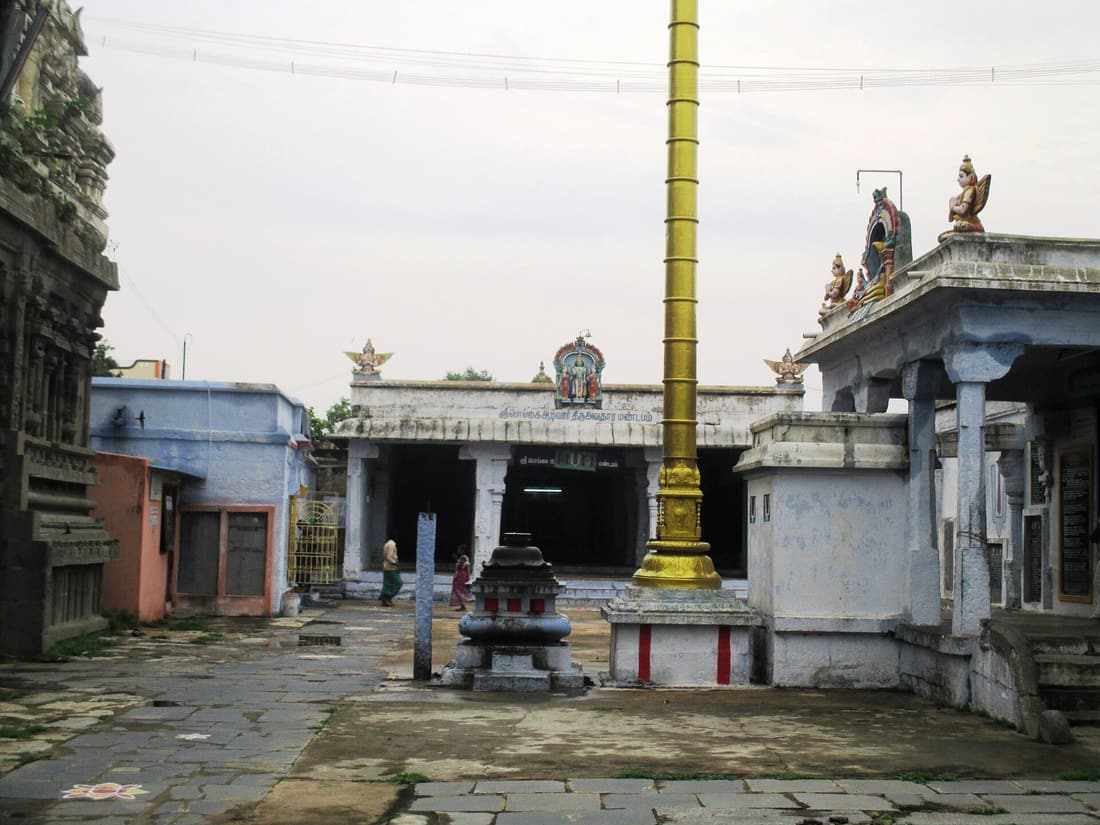
Yathothkari Perumal Temple (Sonnavannam Seitha Perumal), Kanchipuram
காஞ்சி யதோத்காரி (சொன்னவண்ணம் செய்த) பெருமாள் கோயில் – திருவெஃகா
The temple of Tiruvekka, where Vishnu is said to have followed his devotee's request, with a rare Ranganatha reclining on his left.
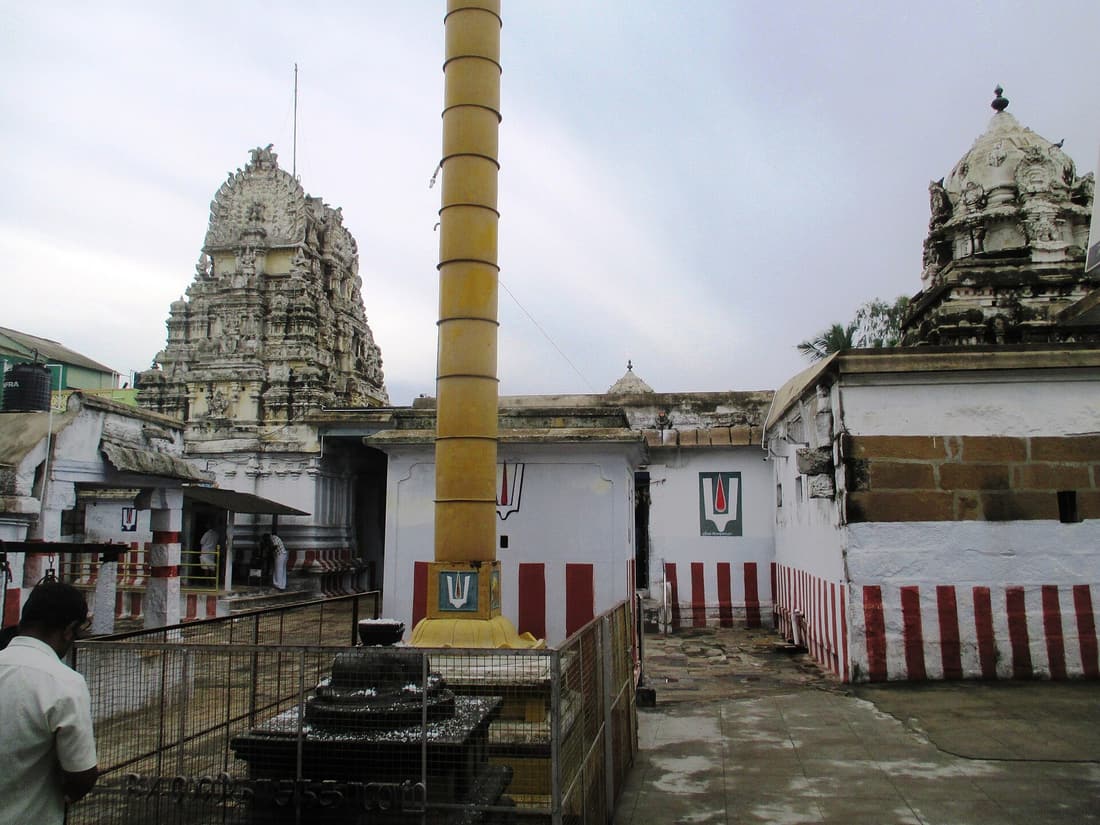
Ashtabujakaram Temple, Kanchipuram
காஞ்சி அஷ்டபுஜப் பெருமாள் கோயில்
The eight-armed Vishnu of Kanchipuram, tied to the Gajendra moksha story and a tank at its gate.
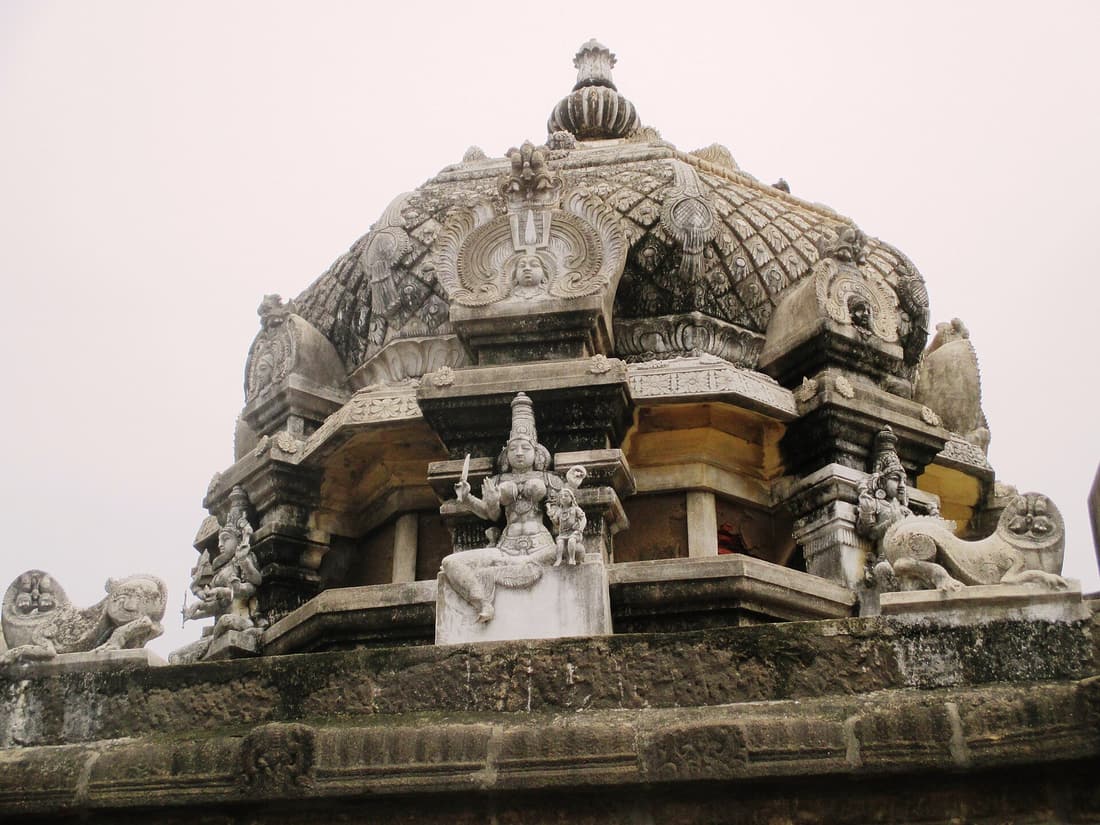
Pandava Thoothar Perumal Temple, Kanchipuram
காஞ்சி பாண்டவ தூதப் பெருமாள் கோயில் (திருப்பாடகம்)
The temple of Krishna as the Pandavas' messenger, with a 25 ft seated image.
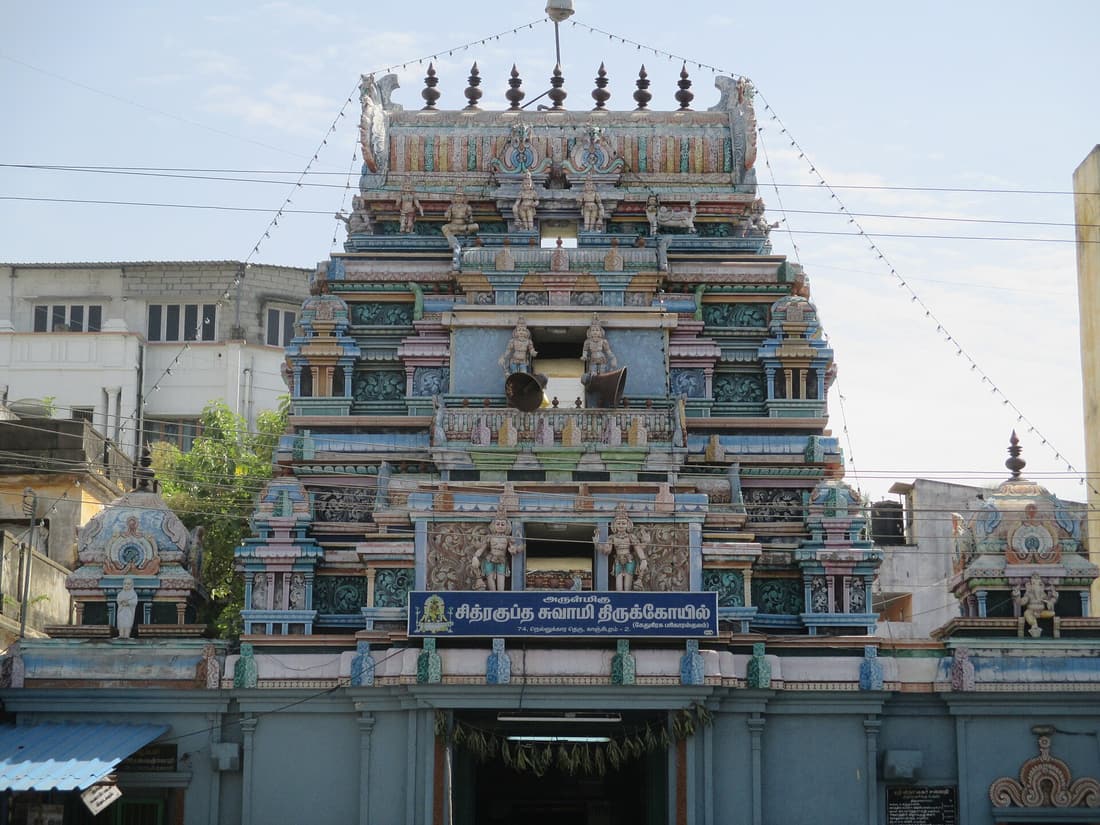
Chitragupta Temple, Kanchipuram
காஞ்சி சித்திரகுப்தர் கோயில்
One of the rare temples dedicated to Chitragupta, the divine record-keeper of human deeds.
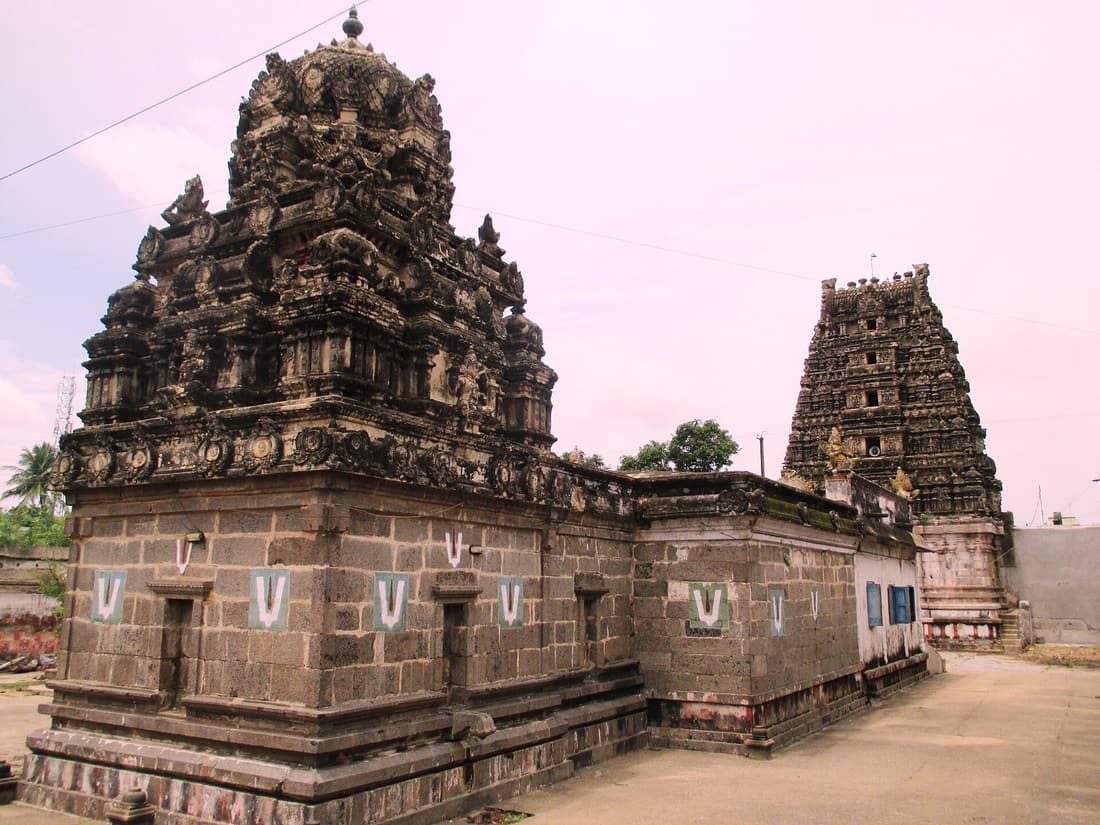
Pavalavannam Perumal Temple, Kanchipuram
காஞ்சி பவளவண்ணப் பெருமாள் கோயில்
The coral-hued Vishnu of Kanchipuram, with a seven-tier gateway and shrines of the Alvars and acharyas.
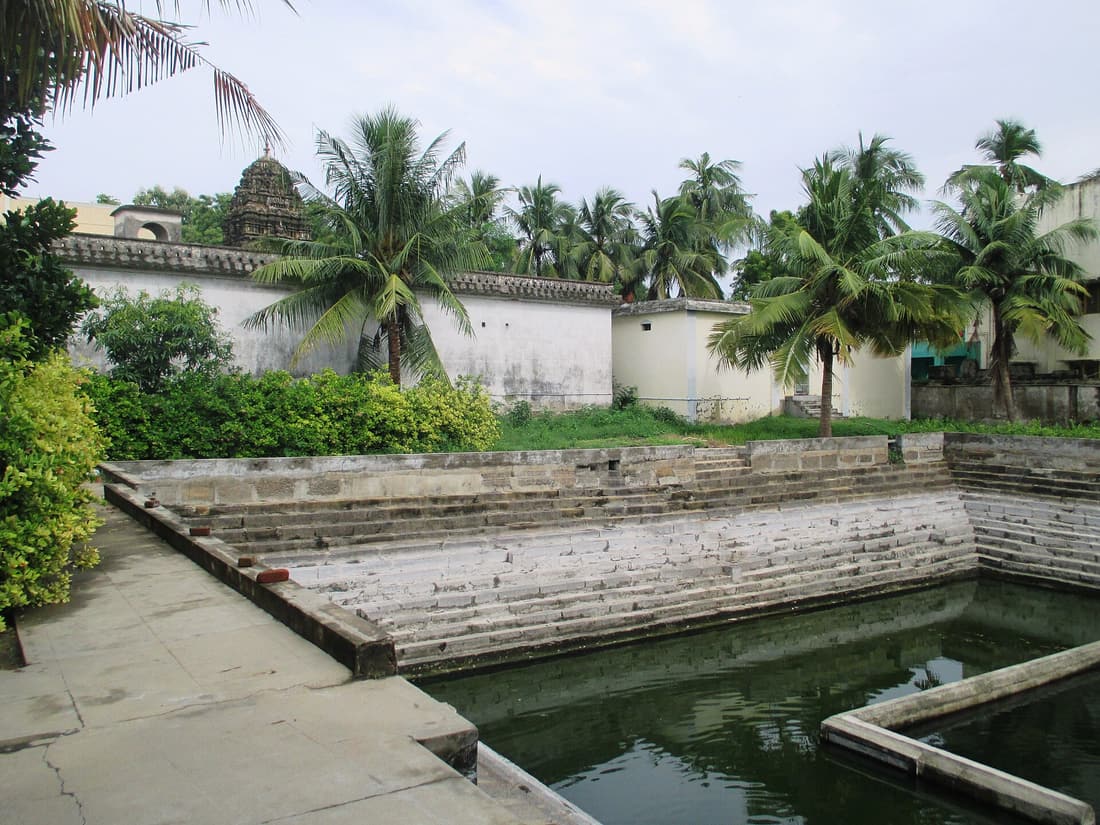
Deepaprakasa Perumal Temple (Tiruththanka), Kanchipuram
காஞ்சி தீபப்பிரகாசப் பெருமாள் கோயில் (திருத்தண்கா)
The "light" Vishnu of Tiruththanka, where Vedanta Desika was born.
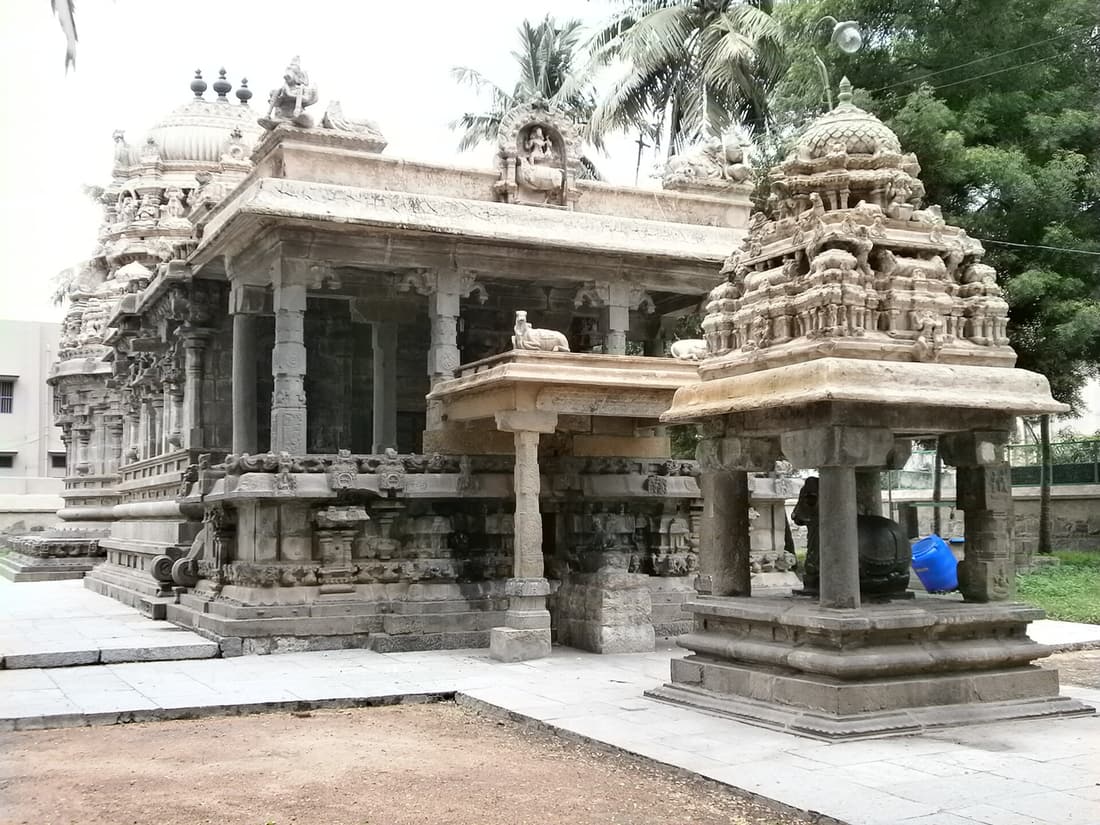
Jurahareswarar Temple, Kanchipuram
காஞ்சி ஜுரகரேஸ்வரர் கோயில்
The Shiva temple linked to curing fever, with a rare semicircular sanctum and a healing tank.
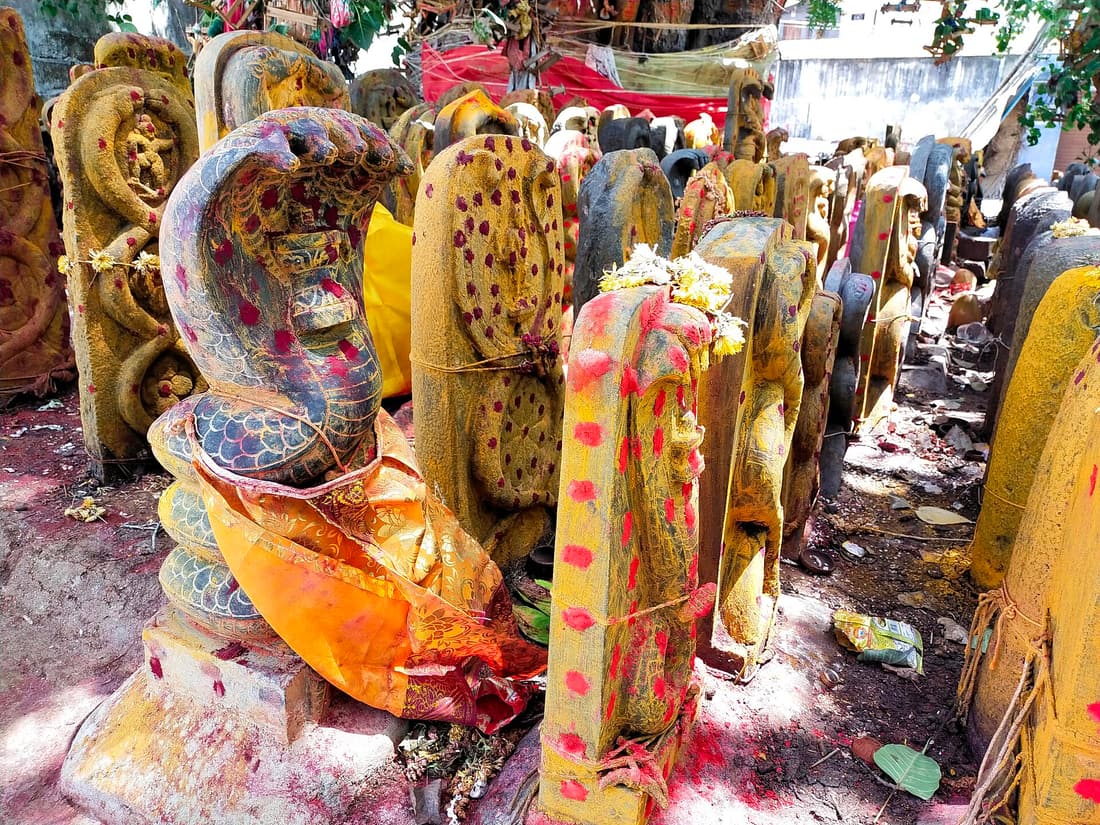
Kachabeswarar Temple (Karchapeswarar), Kanchipuram
காஞ்சி கச்சபேஸ்வரர் கோயில்
The Shiva temple where Vishnu, in tortoise form, is said to have worshipped.
Arupadai Veedu: the six abodes of Murugan
From Thiruparankundram to Pazhamudircholai. Arupadai Veedu guide →
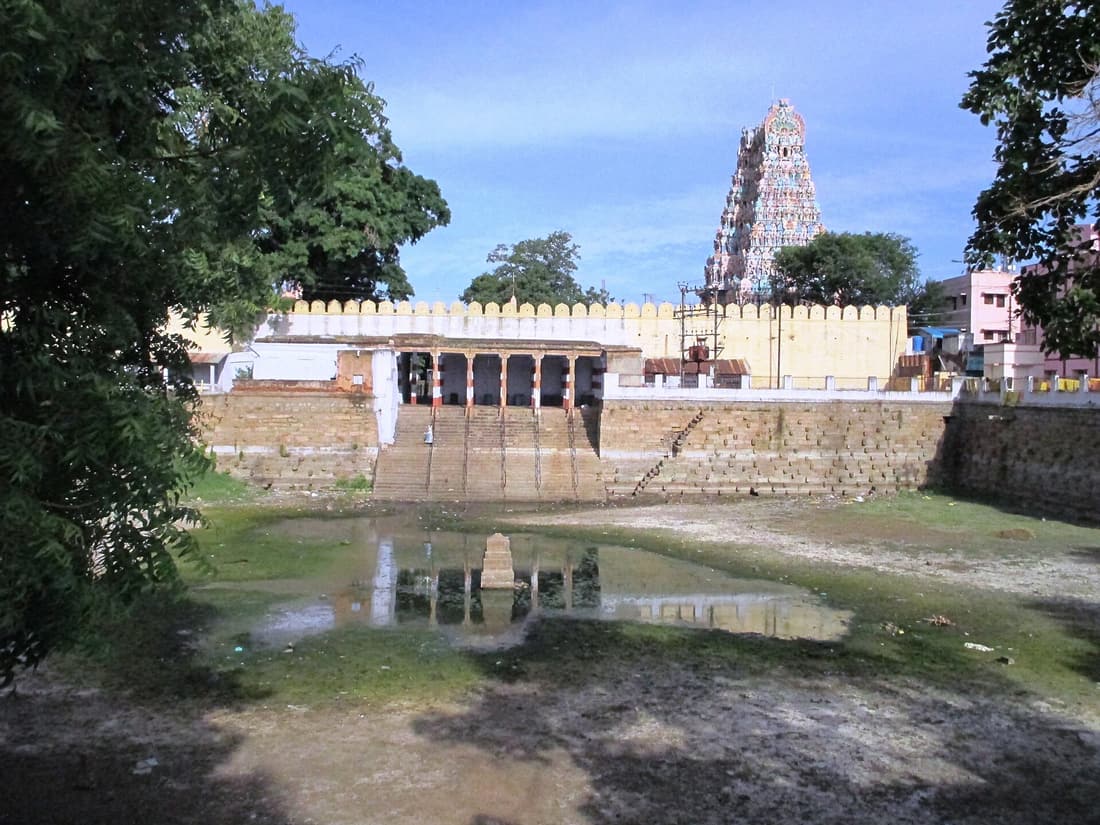
Subramaniya Swamy Temple, Thiruparankundram
திருப்பரங்குன்றம் சுப்பிரமணிய சுவாமி கோயில்
The first Arupadai Veedu, a rock-cut cave temple near Madurai where Murugan is said to have married Deivanai.
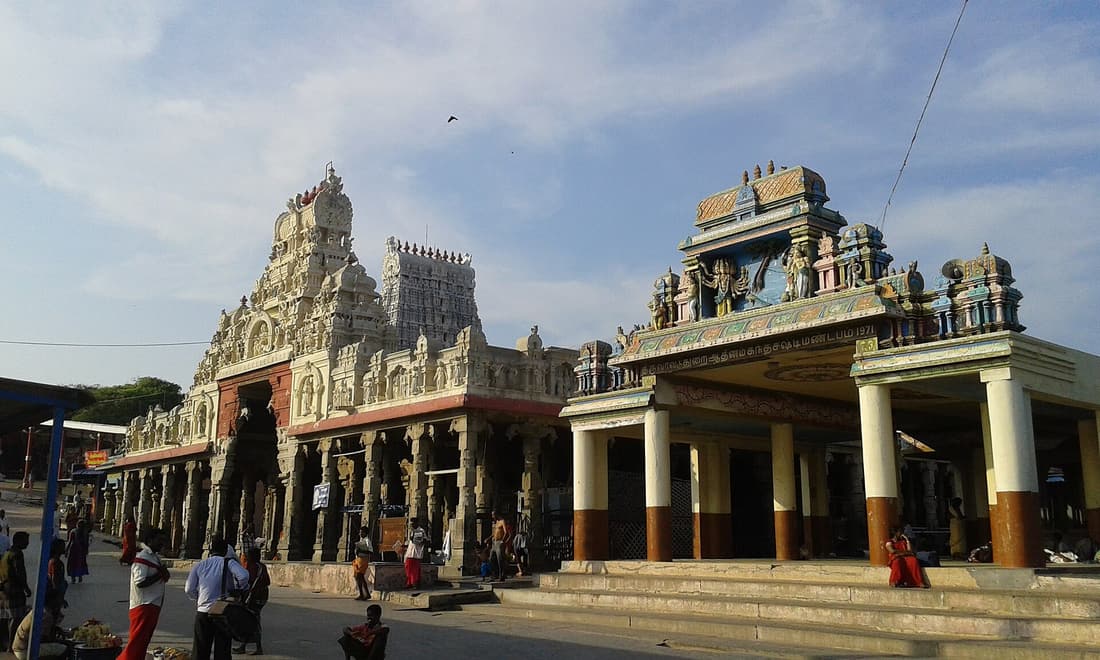
Subramaniya Swamy Temple, Tiruchendur
திருச்செந்தூர் சுப்பிரமணிய சுவாமி கோயில்
The seashore Arupadai Veedu where Murugan is said to have defeated Surapadman, famous for its twelve-day Kanda Sashti.
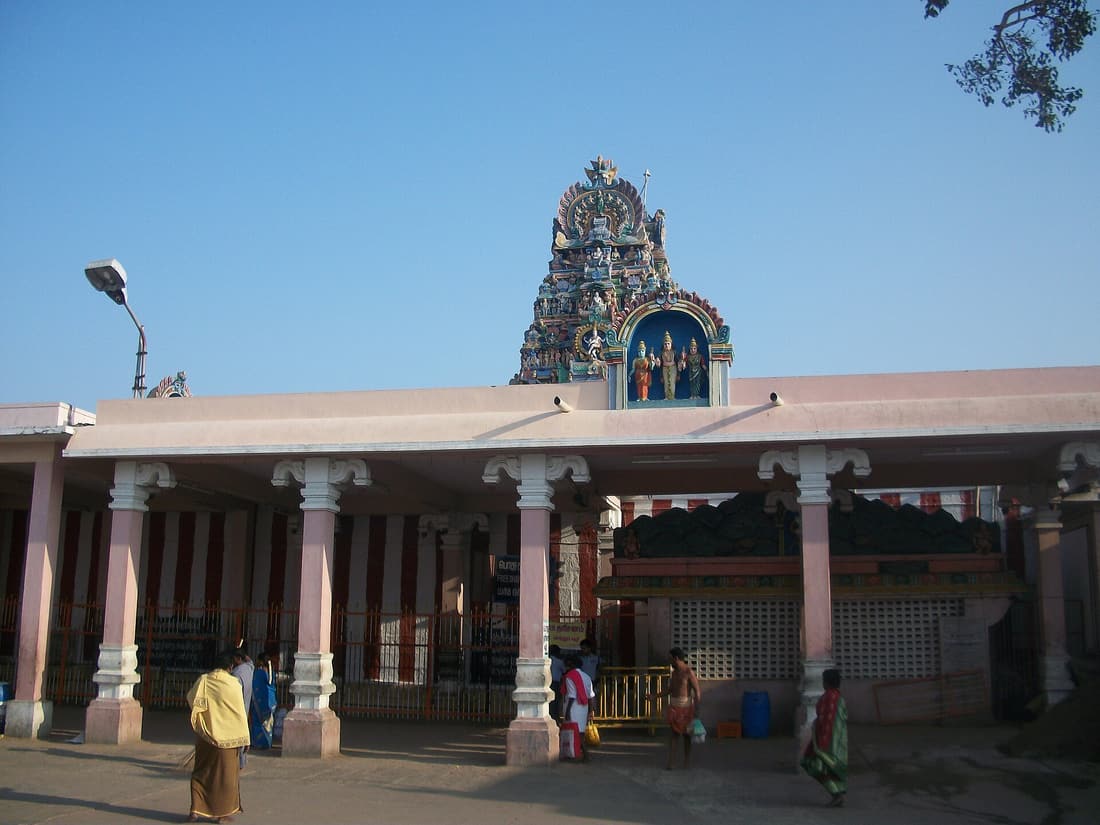
Dhandayuthapani Swamy Temple, Palani
பழனி தண்டாயுதபாணி சுவாமி கோயில்
The hill temple of Murugan as a young ascetic, with a Navapashanam idol, a winch and rope car, and the GI-tagged Panchamirtham.
Swamimalai Swaminatha Swamy Temple
சுவாமிமலை சுவாமிநாதசுவாமி கோயில்
The hill temple where Murugan is said to have taught the meaning of Om to his father Shiva, reached by 60 steps.
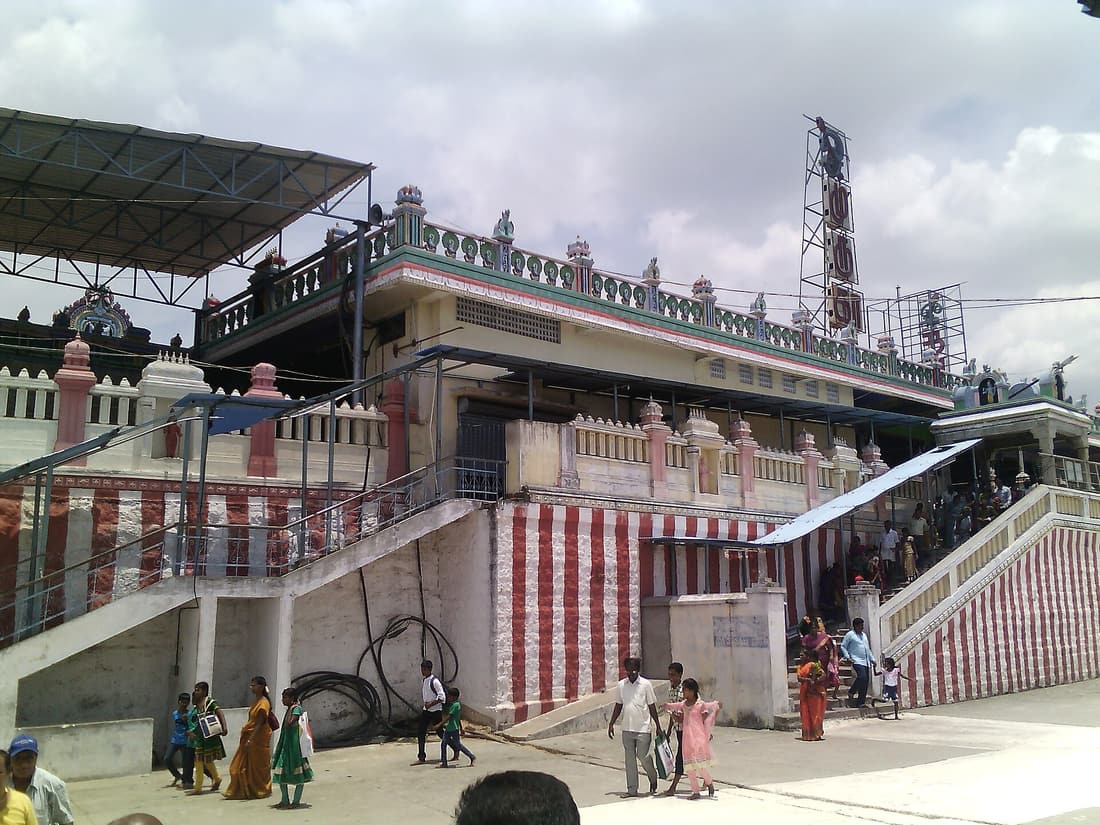
Subramaniya Swamy Temple, Tiruttani
திருத்தணி சுப்பிரமணிய சுவாமி கோயில்
The hill temple with 365 steps where Murugan is said to have cooled his anger and married Valli.
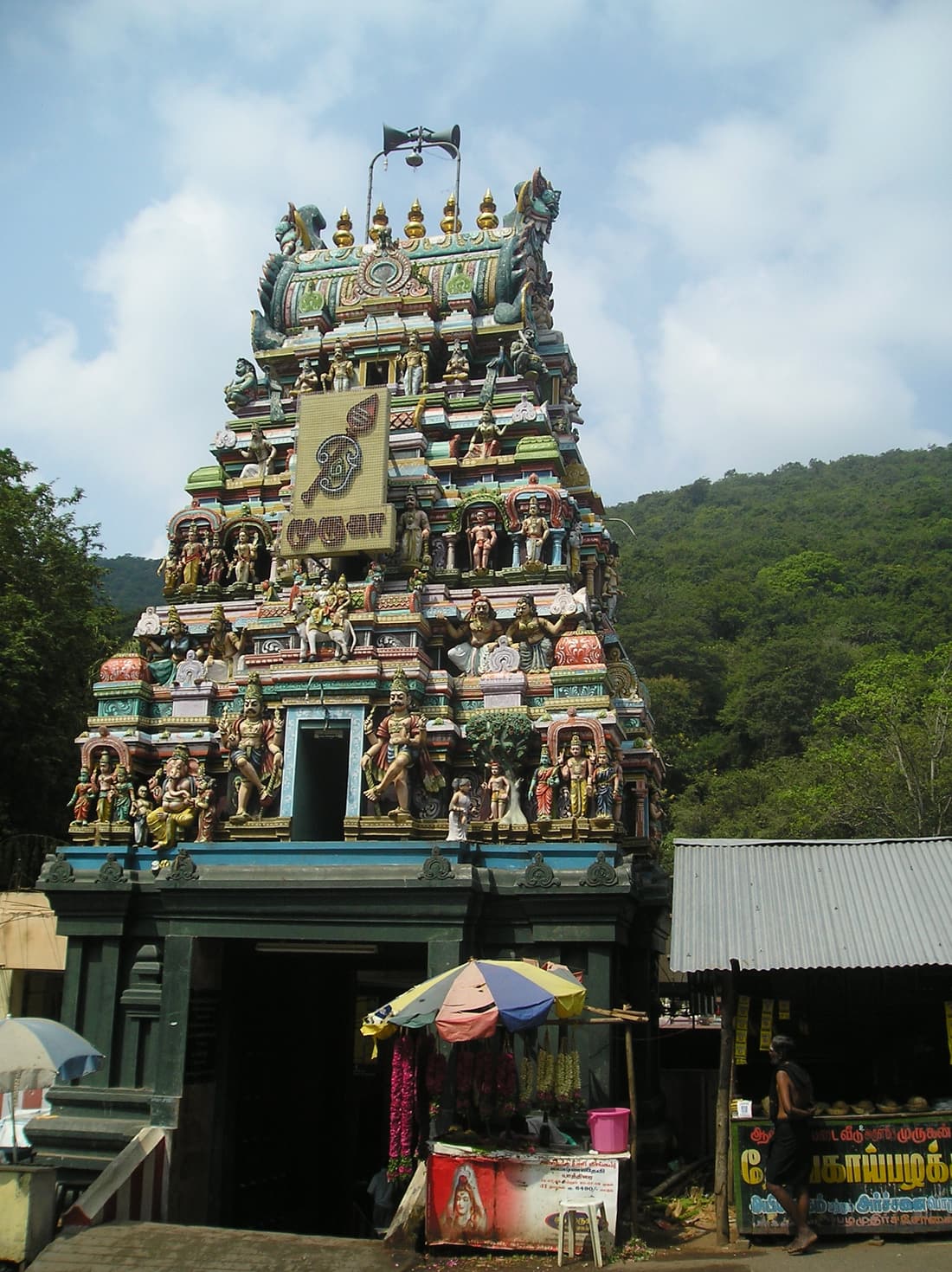
Solaimalai Murugan Temple, Pazhamudircholai
பழமுதிர்சோலை சோலைமலை முருகன் கோயில்
The forest-hill abode of Murugan above Alagar Koil, where Avvaiyar met the shepherd boy under the naval tree.
Our rule
No source, no page.
Every fact on this site links to the place it came from. Where sources disagree, we say so instead of picking one. Where nothing reliable exists, we leave the gap empty. See how we verify.